Laminated Glass Replacement in Virginia, Maryland & Washington, DC

Laminated glass replacement for homes and businesses across Virginia, Maryland, and Washington, DC. Storefronts, doors, windows, skylights, and specialty glazing. Request a free quote.

Laminated Safety Glass Replacement for Homes & Businesses

Laminated glass is made from two or more glass plies bonded together with one or more interlayers. When the glass fractures, the interlayer can help retain broken fragments and limit fallout from the opening.

Priority Window Glass Repair LLC provides laminated glass replacement for homeowners, businesses, landlords, property managers, and contractors throughout Virginia, Maryland, and Washington, DC.

Applications may include storefronts, commercial entry doors, sidelights, windows, skylights, sloped glazing, sound-control glazing, and other openings originally designed for laminated glass.

The exact replacement construction depends on the existing application, glass dimensions, glass plies, interlayer, coatings or tint, surrounding framing, and any required safety or performance specification.

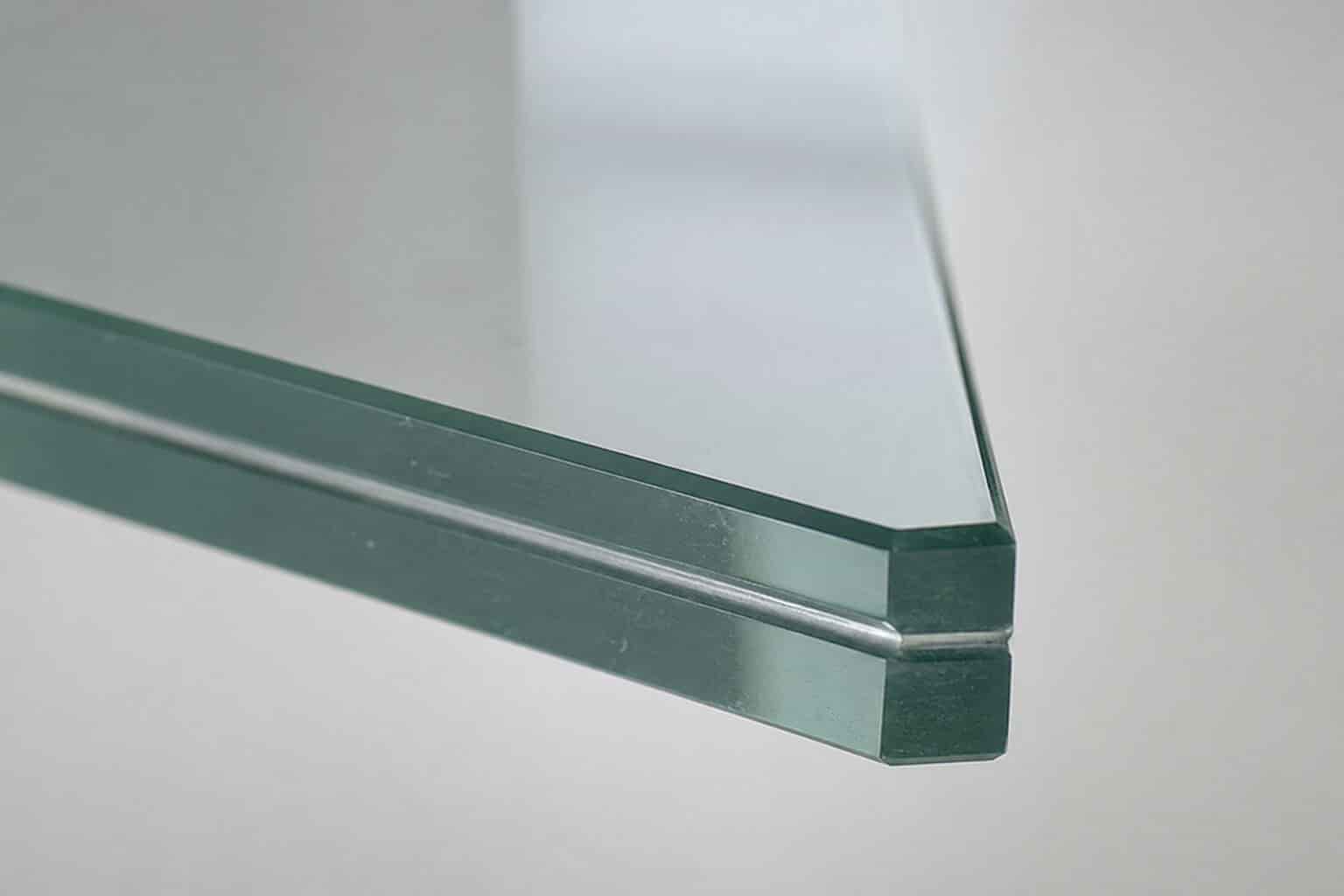
Close-up of a laminated glass edge showing two glass layers bonded with a plastic interlayer

What Is Laminated Glass?

Laminated glass consists of two or more glass plies permanently bonded with one or more interlayers.

The interlayer helps hold glass fragments together after breakage and can also contribute to other performance characteristics depending on the complete laminated construction.

Common architectural interlayer technologies include PVB and ionoplast products. Other laminated constructions and interlayer materials are also available for specialized applications.

The appropriate laminated-glass construction depends on the required safety, structural, acoustic, solar, UV, security, or other performance characteristics of the opening.

  • PVB interlayers — Widely used in architectural laminated glass for safety glazing and other applications. Different PVB products may also support acoustic, UV-control, decorative, or enhanced-performance requirements.
  • Ionoplast interlayers — Stiffer interlayer products used in certain structural or high-performance laminated-glass constructions.
  • Specialized laminated constructions — Multiple glass plies, different glass types, coatings, interlayers, or rigid polymer components may be combined when a tested performance level is required.

Is Laminated Glass the Same as Safety Glass?

Laminated glass can qualify as safety glazing when the complete product is manufactured and tested to the applicable safety-glazing standard.

Tempered glass can also qualify as safety glazing, but the two products respond differently after breakage.

Tempered glass typically fractures into many relatively small pieces. Laminated glass uses an interlayer that helps retain broken fragments.

“Safety glazing” describes performance under applicable impact-safety standards; it should not be confused with security glazing designed to resist intentional forced entry or other threats. Here is a direct comparison:

Factor Laminated Glass Fully Tempered Glass
Construction Two or more glass plies bonded with interlayer(s) Heat-treated glass lite
Break behavior Interlayer helps retain broken fragments Fractures into many relatively small pieces
Fragment retention Generally greater because fragments adhere to interlayer Limited once fully fractured
Safety glazing Can qualify when appropriately manufactured/tested Can qualify when appropriately manufactured/tested
Security performance Certain tested laminated constructions may provide penetration resistance Standard tempered glass provides little post-breakage penetration resistance
Acoustic performance Certain laminated constructions can improve sound-control performance Depends primarily on the complete glazing construction
UV control Many laminated interlayers screen significant UV radiation Depends on coatings or other glass features
Appropriate use Depends on required application/performance Depends on required application/performance

This comparison reflects general guidance. The correct choice between laminated and tempered glass depends on the specific application, local building codes, and the security or performance requirements of the installation.

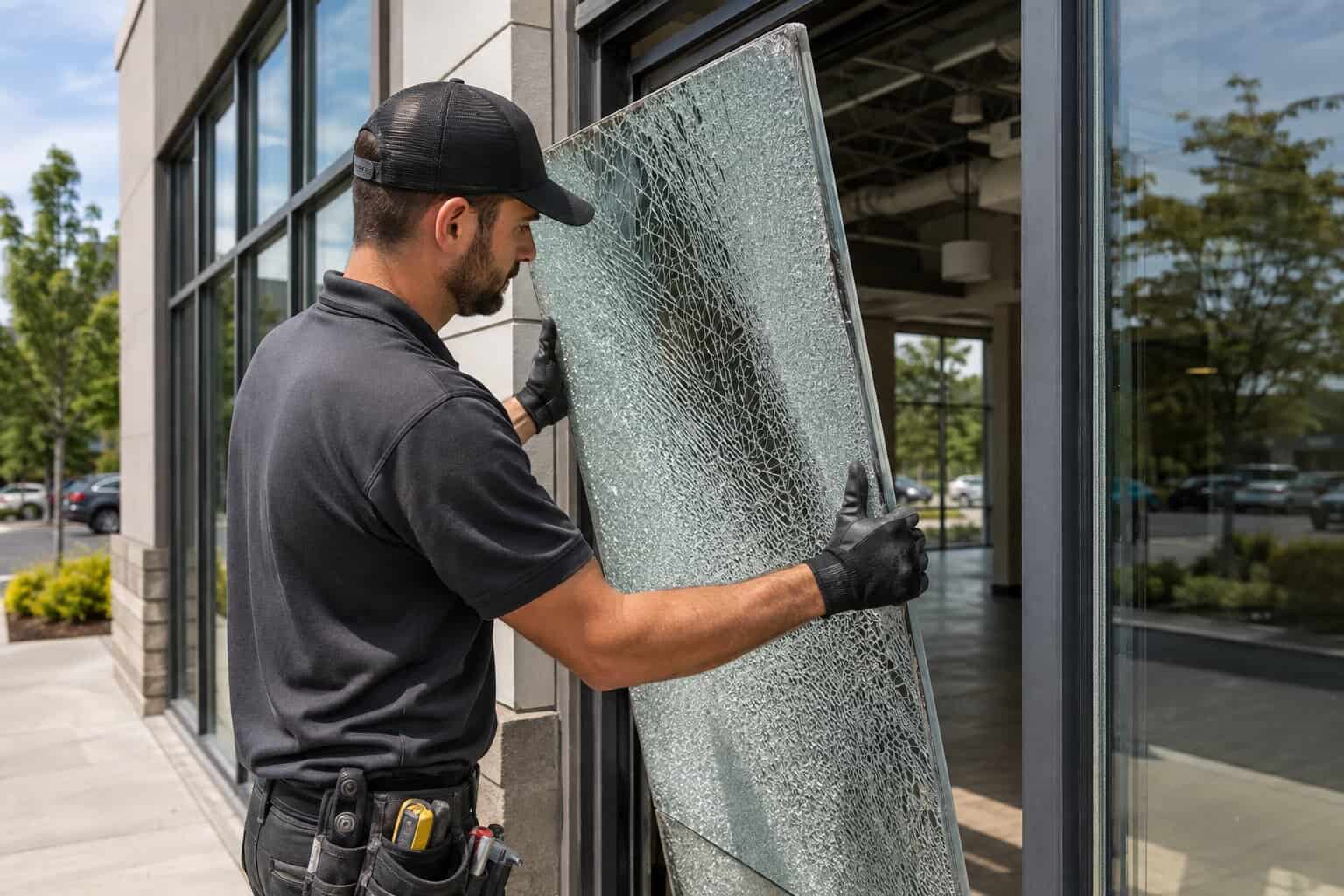
Technician removing a cracked laminated glass panel from an aluminum commercial storefront frame

Is Laminated Glass Better Than Tempered Glass?

Neither laminated glass nor tempered glass is universally better. The appropriate product depends on the location, glazing design, safety requirements, desired fragment-retention behavior, and any additional performance specifications.

For doors, shower enclosures, patio doors, and other hazardous glazing locations, an approved safety-glazing product is required. Tempered glass is common, but laminated safety glazing may also be appropriate in certain systems.

For skylights and sloped glazing, specific code provisions govern the permitted glass types and any required retention screens or other safeguards. Laminated glass is one permitted glazing option, but it is not universally the only acceptable product.

For applications requiring additional fragment retention, acoustic performance, or tested penetration resistance, an appropriately specified laminated construction may provide advantages.

The existing opening and required performance should be evaluated before laminated or tempered replacement glass is selected.

Can Cracked Laminated Glass Be Repaired?

A true crack through one or more glass plies generally requires replacement of the laminated glass panel rather than patching the damaged glass as a permanent repair.

One advantage of laminated construction is that the interlayer may continue retaining broken fragments after the glass cracks. However, a damaged laminated panel should not automatically be assumed to remain secure, weather-resistant, structurally adequate, or suitable to stay in service.

The condition of the glass, interlayer, edges, surrounding frame, glazing materials, and opening should be assessed before deciding whether temporary board-up or other protection is necessary.

When the surrounding frame and glazing system remain serviceable, glass-only laminated-panel replacement may often be possible.

Can Laminated Glass Improve Forced-Entry Resistance?

Certain laminated glass constructions can provide greater resistance to penetration after impact because the interlayer helps retain the fractured glass.

However, standard laminated safety glass should not automatically be described as security-rated glass.

Forced-entry performance depends on the complete tested system, including:

  • Number and thickness of glass plies
  • Interlayer type and thickness
  • Overall laminated construction
  • Framing and glazing retention
  • Anchoring and surrounding assembly
  • The test standard and performance level specified for the opening

For properties seeking enhanced intrusion resistance, the replacement glass and framing system should be selected according to the required tested performance rather than simply choosing any laminated pane.

Laminated Glass Replacement Services We Provide

Priority Window Glass Repair LLC handles a wide range of storefront and commercial glass repair needs, including:

  • Laminated storefront glass replacement
  • Commercial entry-door laminated glass replacement
  • Laminated sidelight and transom replacement
  • Residential laminated window and door glass replacement
  • Laminated skylight and sloped-glazing replacement where appropriate
  • Acoustic laminated glass replacement
  • Laminated insulated glass unit replacement
  • Clear, tinted, Low-E, and other specified laminated configurations
  • Replacement of laminated glass in openings requiring a documented performance specification
  • Temporary board-up when damaged laminated glass leaves an opening exposed
  • Initial photo-based review and free estimates

Laminated glass is available in many constructions. Replacement specifications may involve glass thickness, number of plies, interlayer type and thickness, Low-E or tint characteristics, heat treatment, overall unit thickness, and other documented performance requirements.

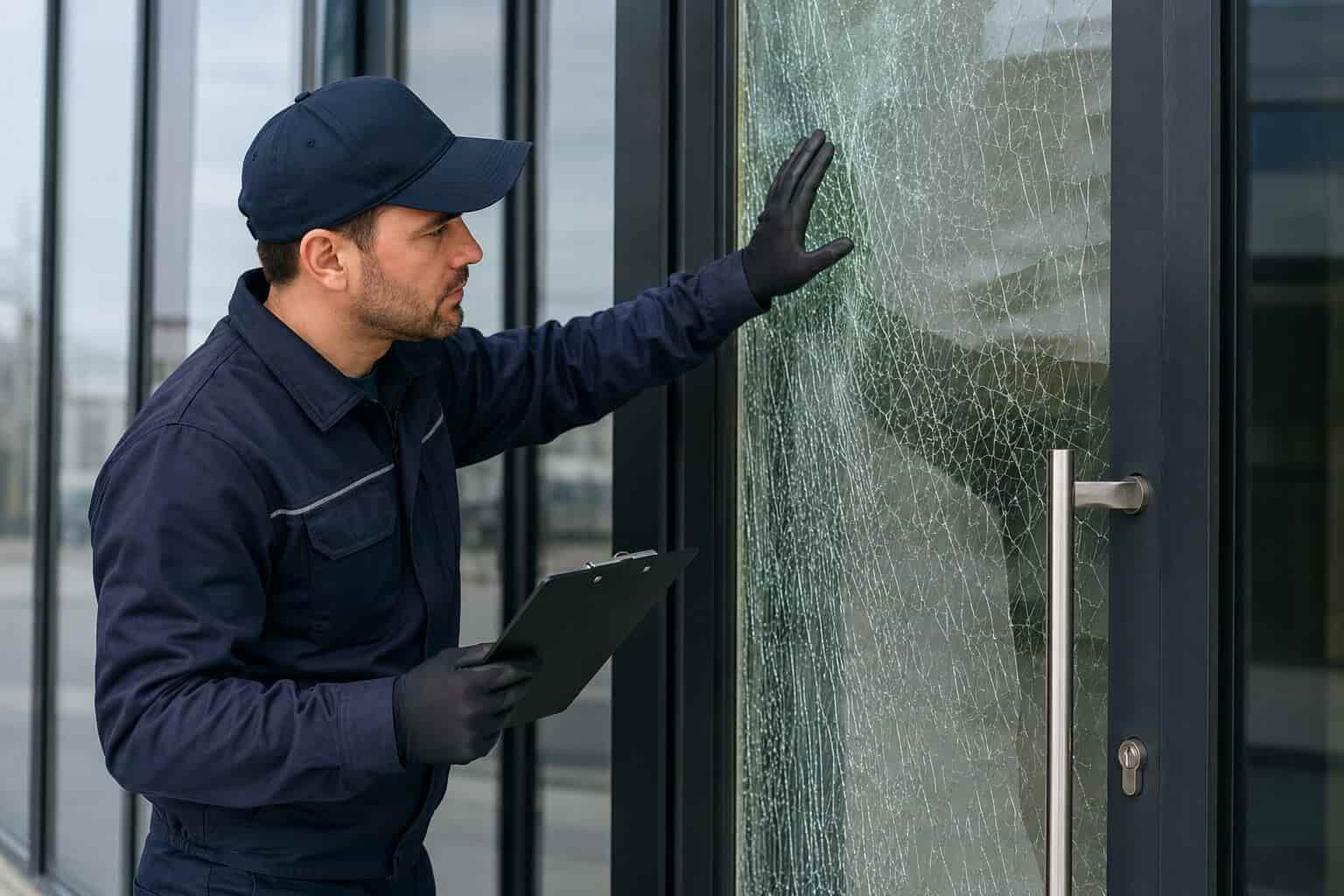
Technician inspecting a cracked laminated glass panel showing the interlayer holding fragments together

Have Laminated Glass That Needs Replacing? Call (571) 228-2435 or Request a Free Quote

Where Is Laminated Glass Used?

Laminated glass is used wherever glass needs to stay in place after breaking, provide security against forced entry, or meet specific performance requirements. Here is an overview of the most common applications:

Application Why Laminated Glass May Be Used Replacement Consideration
Storefronts & commercial entrances Fragment retention or specified protective performance Confirm existing glass construction and any required performance specification
Residential windows & doors Safety, acoustic, UV-control or other specified characteristics Confirm glass plies, interlayer and surrounding frame
Skylights & sloped glazing Fragment retention and compliance with applicable sloped-glazing design Confirm complete glazing configuration and code requirements
Acoustic windows & doors Certain laminated constructions can improve sound attenuation Replacement should preserve required acoustic configuration where known
Sidelights & transoms Safety glazing or other performance requirements Evaluate location and existing specification
Laminated IGUs Combines laminated pane(s) with insulated-glass construction Confirm pane configuration, overall thickness, Low-E/coatings and sealed-unit specification
Specialized protective glazing Can be designed for forced-entry, windborne-debris, blast or other tested performance Replacement must maintain the documented/tested system requirements

Building codes and application requirements vary. We identify the correct laminated glass specification during inspection before ordering any replacement.

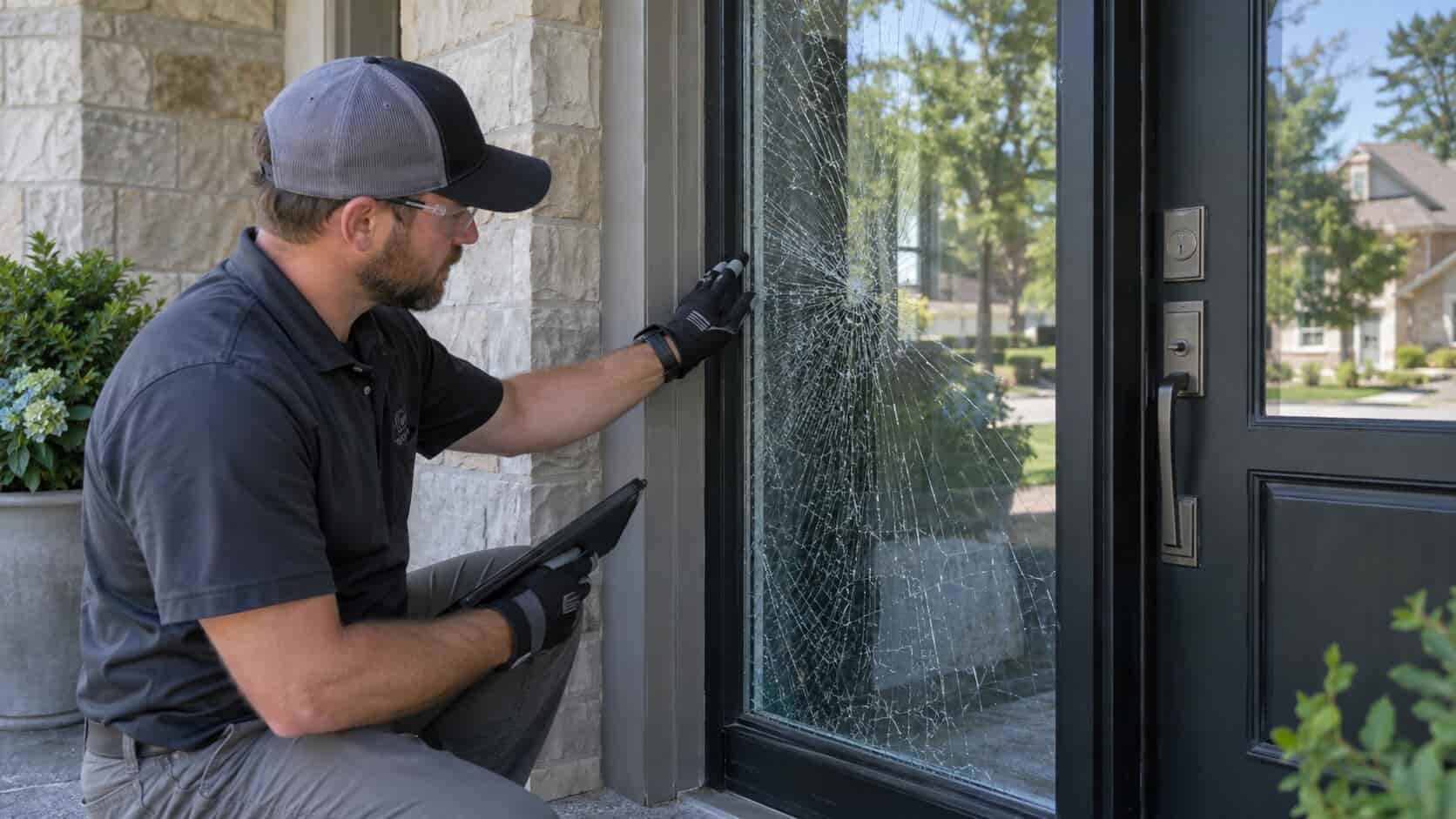
Technician assessing cracked laminated glass retained in a residential entry sidelight

Residential Laminated Glass Replacement in VA, MD & DC

Priority Window Glass Repair provides laminated glass replacement for homeowners, landlords, and property managers throughout Virginia, Maryland, and Washington, DC.

Common residential laminated glass situations include:

  • Cracked or damaged laminated residential windows
  • Laminated glass in entry doors and sidelights
  • Laminated skylight or sloped glazing where applicable
  • Acoustic laminated window glass
  • Laminated panes incorporated into insulated glass units
  • Impact-damaged laminated glass with serviceable surrounding framing

When the surrounding frame, sash, door panel, or glazing system remains serviceable, the laminated glass can often be replaced without replacing the complete assembly.

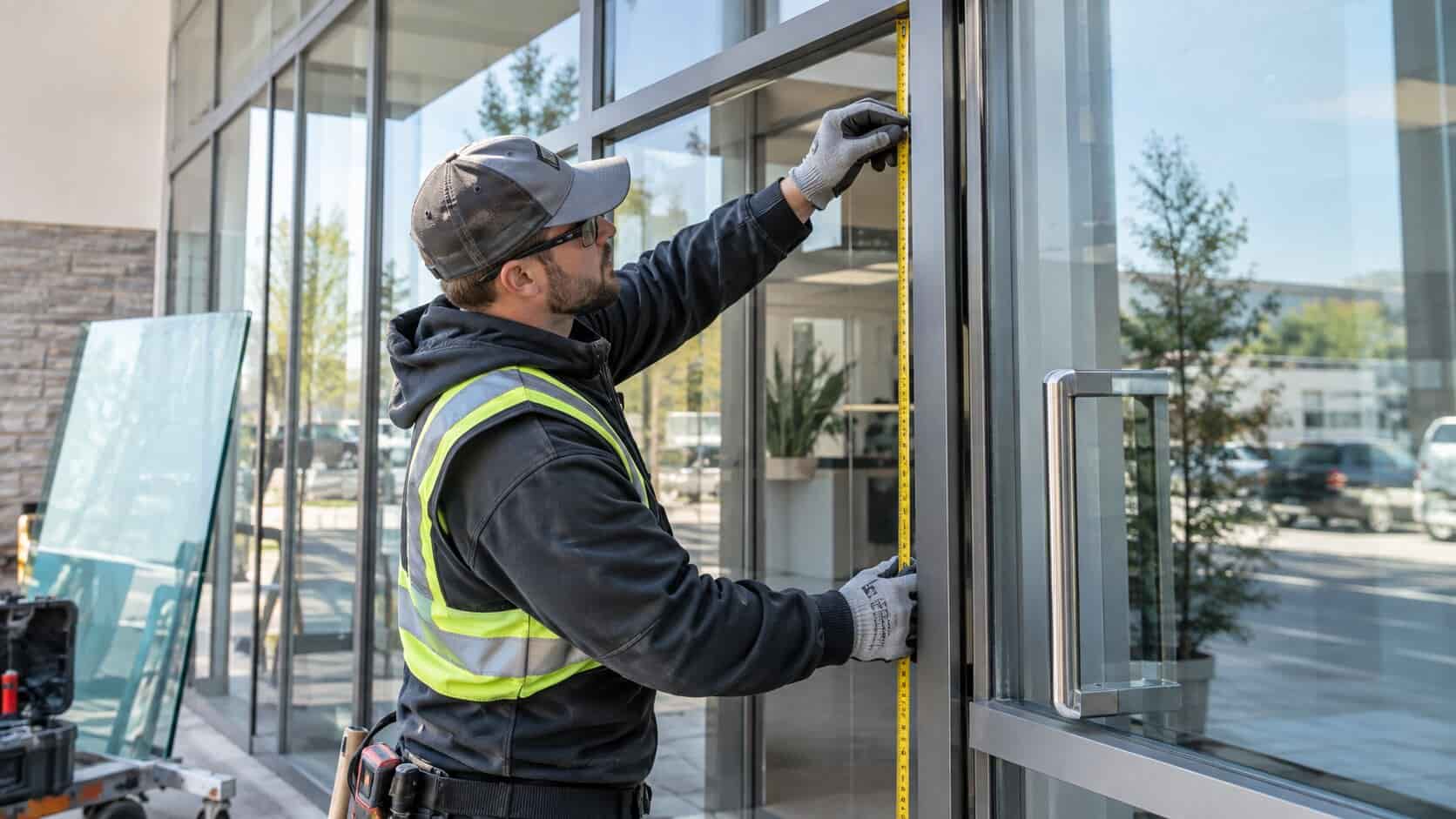
Technician measuring a commercial opening for custom laminated replacement glass

Commercial Laminated Glass Replacement in VA, MD & DC

Priority Window Glass Repair provides laminated glass replacement for storefronts, commercial entry doors, offices, retail properties, restaurants, managed buildings, and other commercial openings throughout Virginia, Maryland, and Washington, DC.

Our commercial laminated glass support includes:

  • Laminated storefront glass replacement
  • Commercial entry-door laminated glass
  • Laminated sidelights and transoms
  • Acoustic laminated commercial glazing
  • Laminated insulated glass units
  • Laminated glass with documented protective-performance requirements
  • Temporary board-up when damaged glass leaves the opening exposed
  • Coordination with landlords, property managers, tenants, and contractors

Custom laminated glass often requires fabrication before installation, so timing depends on dimensions, glass construction, interlayer requirements, coatings, heat treatment, performance specifications, and product availability.

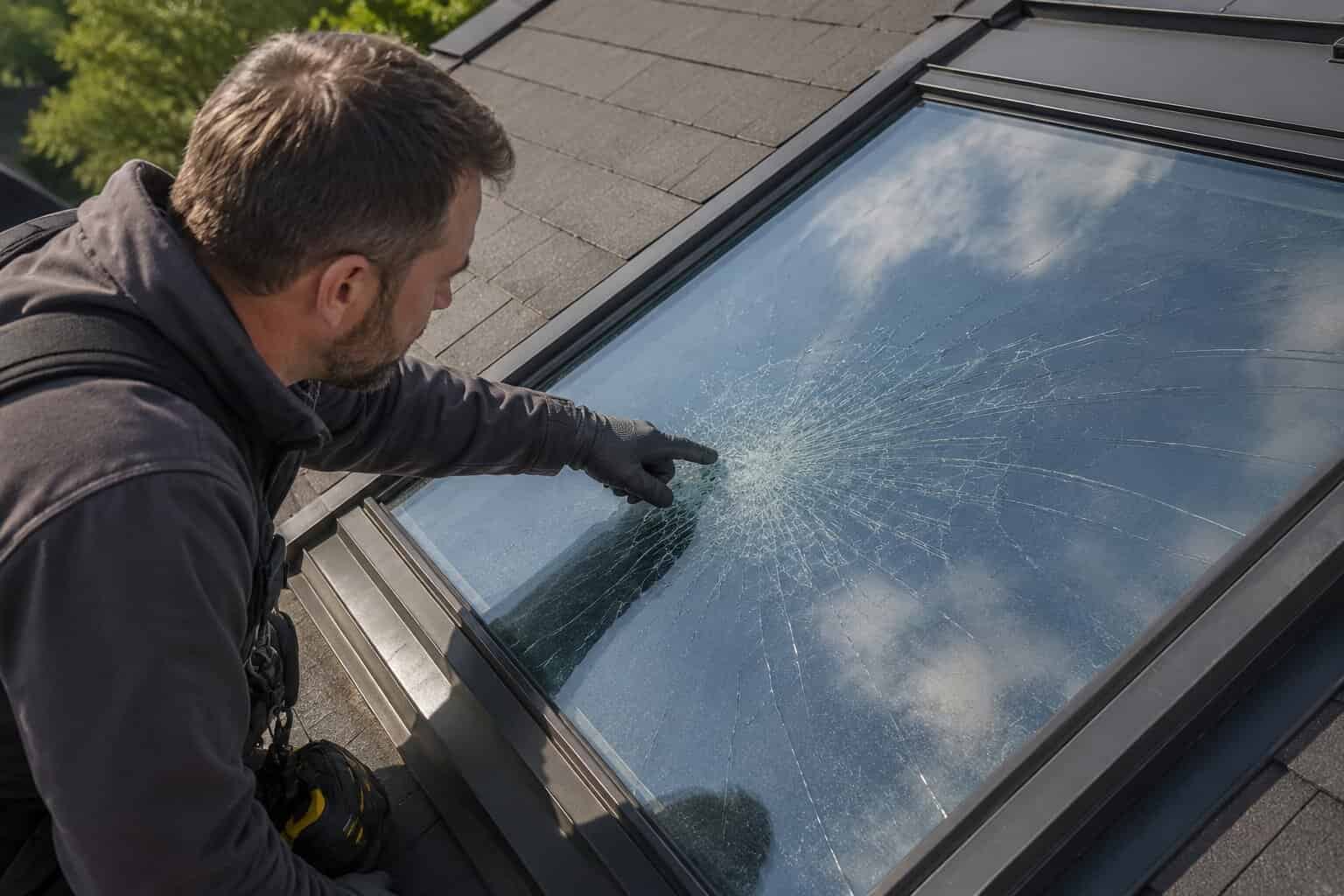
Technician assessing a cracked skylight laminated glass panel on a residential roof

Laminated Glass for Overhead and Sloped Glazing

Skylights and sloped glazing have specialized safety and retention requirements because glass failure can affect areas below the opening.

Laminated glass is commonly used in these applications because the interlayer helps retain fractured glass. However, applicable codes may also permit other glazing types when the complete installation meets the required conditions, including retention-screen requirements where applicable.

For a damaged skylight or sloped-glass panel, the replacement should be based on the existing skylight system, glass construction, dimensions, slope, location, surrounding frame, manufacturer requirements when available, and applicable code provisions.

We do not assume that laminated glass is automatically the required replacement solely because the opening is overhead.

Laminated Glass for Storefront and Commercial Door Security

For business owners concerned about break-ins or vandalism, laminated glass offers a meaningful security upgrade over standard tempered glass. When struck repeatedly, tempered glass shatters quickly and falls out of the frame, leaving the opening exposed.

Laminated glass, by contrast, cracks under impact but the interlayer holds the pieces together. This significantly delays forced entry, which is often enough to deter an opportunistic break-in.

As a result, laminated glass is a common choice for:

  • Storefront doors and windows in higher-crime or higher-risk retail corridors
  • Jewelry stores, pharmacies, banks, and businesses with high-value inventory
  • Commercial entry doors and sidelights in managed properties and office buildings
  • Business entrances that have experienced prior break-in or vandalism damage

We can assess your current storefront or entry glass during an inspection and confirm whether a laminated upgrade makes sense for your specific situation.

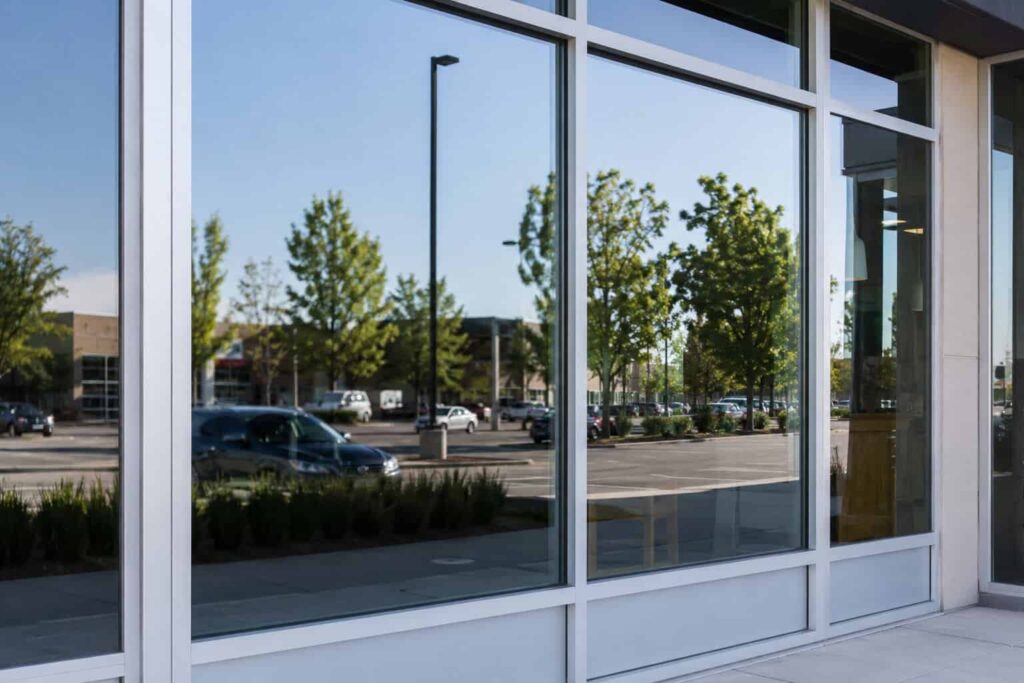
Close-up view of commercial storefront glass showing different glass panel types

The Laminated Glass Replacement Process

1. Send Photos for Initial Review

Send photos of the damaged glass, complete opening, surrounding frame, glass edge when safely visible, and any available markings or documentation.

2. Initial Photo-Based Review

We review the application, visible damage, and available information to understand the likely laminated construction and next step.

3. On-Site Measurement & Specification Verification

When required, we confirm dimensions, overall thickness, glass plies, interlayer characteristics when identifiable, coatings or tint, heat treatment, IGU configuration, and any documented performance requirements.

4. Prepare or Order Replacement Glass

The laminated replacement is fabricated to the verified dimensions and specifications appropriate for the opening.

5. Schedule Installation

Once the correct glass is available, installation is coordinated around property access, tenant or business operations, and scheduling.

6. Professional Installation & Cleanup

The damaged laminated glass is removed, the replacement is installed using glazing materials appropriate for the existing system, and the immediate work area is cleaned and checked.

If damaged glass leaves the opening exposed or unsuitable to remain in service while replacement is being fabricated, temporary board-up may be appropriate.

What Should You Do After Laminated Glass Cracks?

Cracked laminated glass behaves differently than broken tempered glass. Because the interlayer holds the pieces together, the opening usually remains covered and the property is not immediately exposed. However, the cracked panel is no longer providing its full security or structural benefit.

Practical steps to take after laminated glass cracks:

  1. Keep children, customers, employees, pets, and other occupants away from the damaged glass.
  2. Do not press on, push, pull, or attempt to remove the cracked laminated panel.
  3. Do not assume the glass remains secure simply because fragments are still attached to the interlayer.
  4. Restrict access through the opening if this can be done without approaching damaged glass.
  5.  If safe, take photos of the glass, complete opening, frame, and visible damage from a distance.
  6. Contact a glass professional to determine whether temporary protection and laminated-glass replacement are required.

The urgency depends on the location, crack pattern, condition of the glass and interlayer, surrounding framing, and whether the opening remains safely secured. Damaged laminated glass should not be relied upon to provide its original performance.

Laminated Glass Replacement Near You in VA, MD & DC

Priority Window Glass Repair LLC is based in Aldie, Virginia, and provides laminated glass replacement throughout Virginia, Maryland, and Washington, DC.

Our currently published local service pages include communities across Northern Virginia. If your location is not listed below, call or text (571) 228-2435 to confirm service availability.

Virginia Laminated Glass Replacement Service Areas

Need laminated glass replacement elsewhere in Maryland or Washington, DC? Call or text (571) 228-2435 to confirm service availability.

Request a Free Quote for Laminated Glass Replacement

Need help with cracked or damaged laminated glass? Send photos of the glass, complete opening, surrounding frame, and any visible markings or edge details for an initial review.

To get started:

  • Call or text (571) 228-2435
  • Email info@prioritywindowglass.com with photos and property details
  • Request a free quote online and describe whether the glass is in a storefront, door, window, skylight, insulated unit, or another opening

Photos can help us understand the application and visible damage before scheduling. Final measurements and laminated-glass specifications may require on-site verification or existing product documentation before replacement glass is ordered.

Laminated Glass Replacement FAQs

Priority Window Glass Repair LLC provides laminated glass replacement throughout Virginia, Maryland, and Washington, DC. Call or text (571) 228-2435 to confirm service availability for your property.

Laminated glass replacement involves removing damaged laminated glazing and installing a new laminated construction specified for the opening, dimensions, surrounding frame, and required performance.

Laminated glass can qualify as safety glazing when manufactured and tested to the applicable standard. However, safety glazing is a performance category and should not be confused with security glazing designed to resist intentional attack.

Neither is universally better. Laminated glass provides fragment retention and can be designed for additional acoustic or protective performance. Tempered glass uses heat treatment and fractures differently. The appropriate product depends on the opening and required performance.

A true crack through the glass generally requires replacement of the laminated panel rather than patching it as a permanent repair.

The bonded interlayer helps retain fractured glass after impact. The amount of retention depends on the laminated construction, damage, framing, and glazing system.

Often, yes. When the surrounding frame, glazing system, and related components remain serviceable, the damaged laminated panel can often be replaced while retaining the existing assembly.

Yes. Laminated glass is commonly used for skylights and sloped glazing because it helps retain broken fragments. However, applicable codes may permit other glazing systems when their complete configuration meets required safety and retention provisions.

Certain laminated constructions can provide greater resistance to penetration after impact, but ordinary laminated safety glass should not automatically be considered security-rated. Tested performance depends on the complete glass-and-framing system.

Yes. We coordinate laminated-glass replacement with landlords and property managers, including tenant-occupied residential and commercial properties.

Yes. Photos can help with an initial review of the opening and visible damage. Final dimensions, glass construction, interlayer specifications, or performance requirements may still require on-site verification or documentation.

Cost depends on glass dimensions, thickness, number of plies, interlayer, heat treatment, coatings or tint, insulated-glass configuration, required performance, accessibility, and frame condition. Send photos for an initial review and free estimate.

Yes. Priority Window Glass Repair provides laminated glass replacement throughout Virginia, Maryland, and Washington, DC. Call or text (571) 228-2435 to confirm service availability.

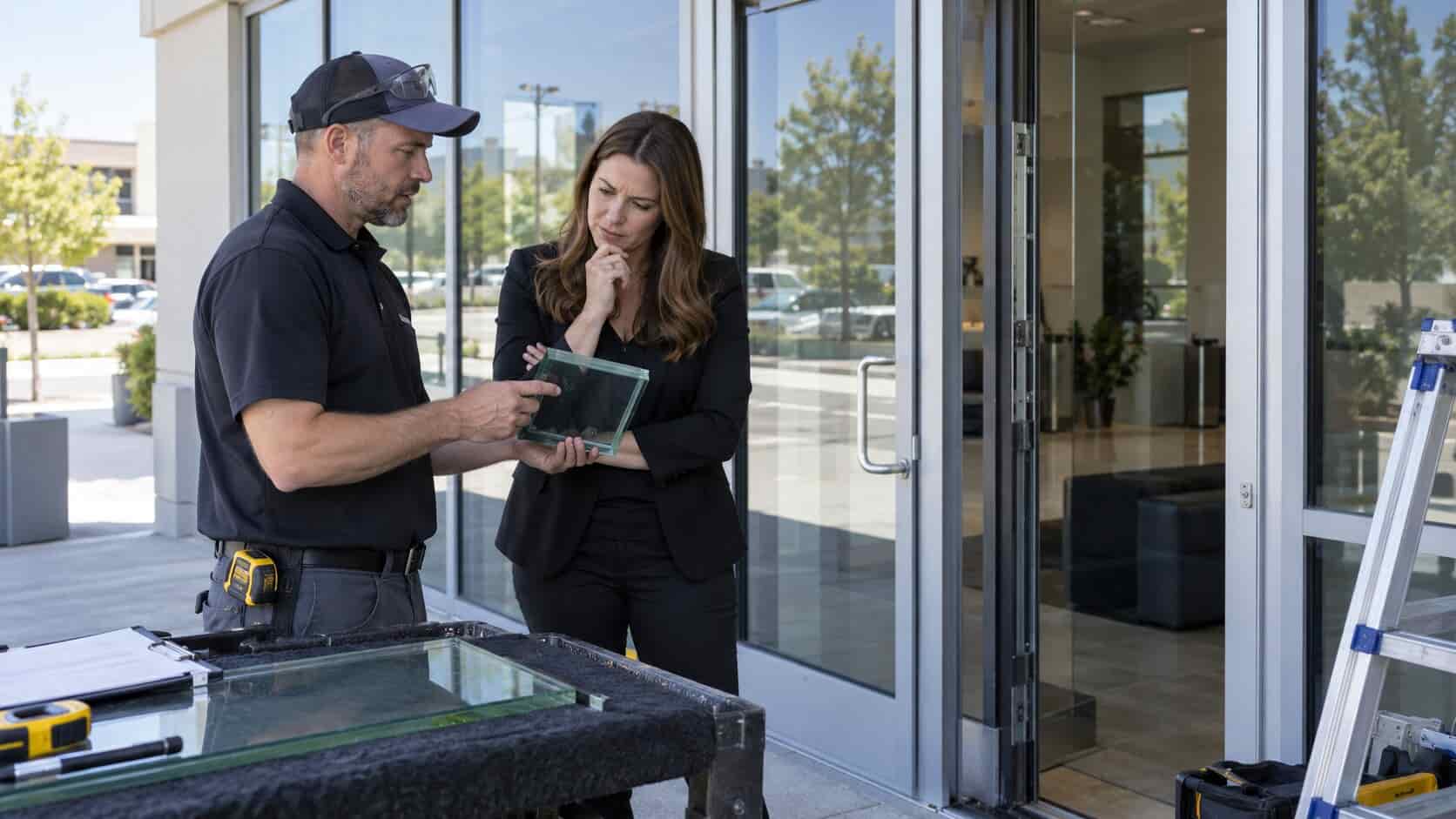
Glass technician discussing laminated glass replacement with a commercial property manager

Why Choose Priority Window Glass Repair LLC for Laminated Glass Replacement?

Priority Window Glass Repair LLC has more than 20 years of glass repair and replacement experience serving communities across Virginia, Maryland, and Washington, DC.

  • Residential and commercial laminated-glass replacement
  • Storefront, door, window, skylight, acoustic, and laminated-IGU applications
  • Glass-only replacement when the surrounding framing remains serviceable
  • Initial photo-based review and free estimates
  • On-site measurement and specification verification when required
  • Same-day scheduling may be available for qualifying requests
  • 24/7 support for urgent broken-glass and exposed-opening situations
  • Temporary board-up when damaged glass cannot safely remain exposed
  • Coordination for landlords, property managers, tenants, and contractors
  • Service throughout Virginia, Maryland, and Washington, DC
  • Clear communication from initial review through fabrication, installation, and cleanup

Each project begins with a review of the opening, existing glass, surrounding framing, and available specifications so the appropriate laminated replacement can be ordered before installation.

Get Laminated Glass Replacement Help in VA, MD & DC

Need help with cracked or damaged laminated glass? Send photos for an initial review or call (571) 228-2435 to discuss replacement and temporary-protection options.