
Double-pane windows become foggy when the perimeter seal on the insulated glass unit fails, letting humid air into the sealed space between the panes. Once that moisture condenses, it creates fog, haze, or streaks that can’t be wiped away. In many cases, only the failed glass unit needs to be replaced — not the whole window. Priority Window Glass Repair LLC offers free, photo-based estimates across Aldie and Northern Virginia. Call (571) 228-2435 or request a free quote below.
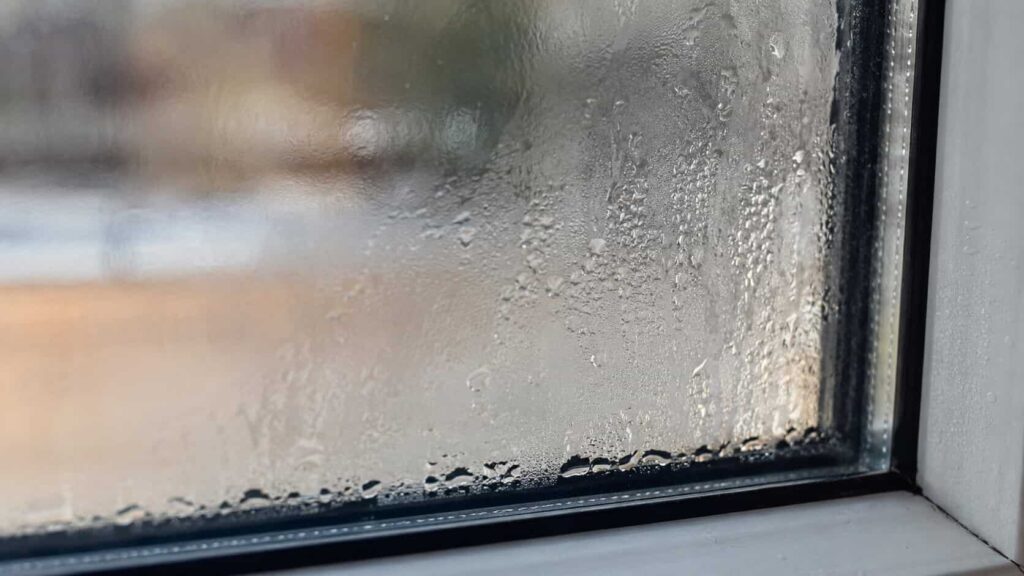
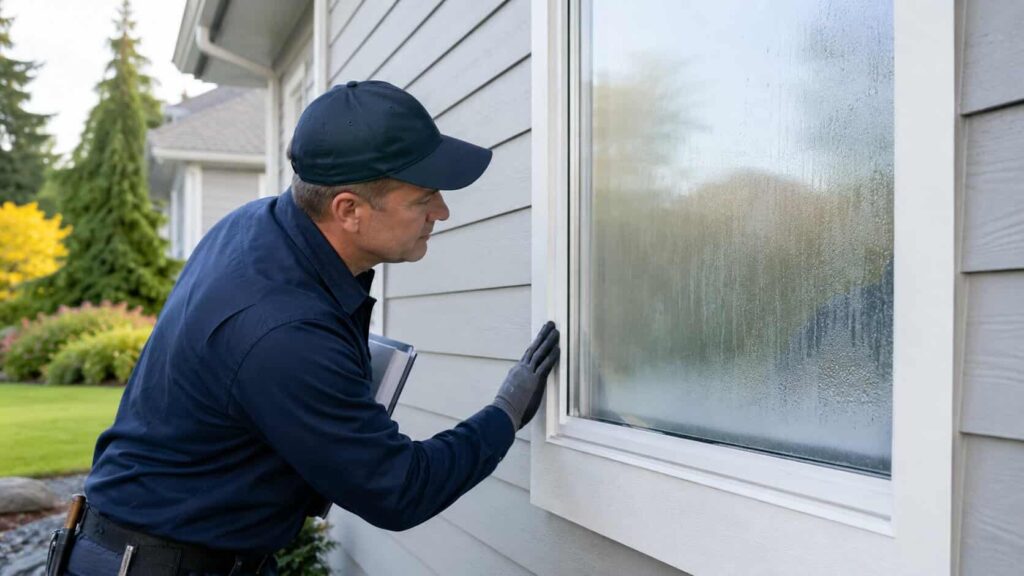
If you’ve noticed a haze or cloudiness sitting inside your window glass — not on the surface — you’re likely dealing with a failed seal on the insulated glass unit. Humid air has worked its way into the sealed air space between the two panes, and when temperatures shift, that trapped moisture condenses and turns into fog, streaking, or a milky appearance that no amount of wiping will clear.
The good news: a foggy double-pane window doesn’t always mean the entire window has to go. When the sash and frame are still in good shape, the failed insulated glass unit can often be replaced on its own. Priority Window Glass Repair LLC works with homeowners, landlords, property managers, and business owners across Aldie and the surrounding Northern Virginia area to inspect foggy glass and recommend a straightforward, honest path forward — whether that’s glass-only replacement or a fuller repair.
What Causes Fog Between Double-Pane Glass?
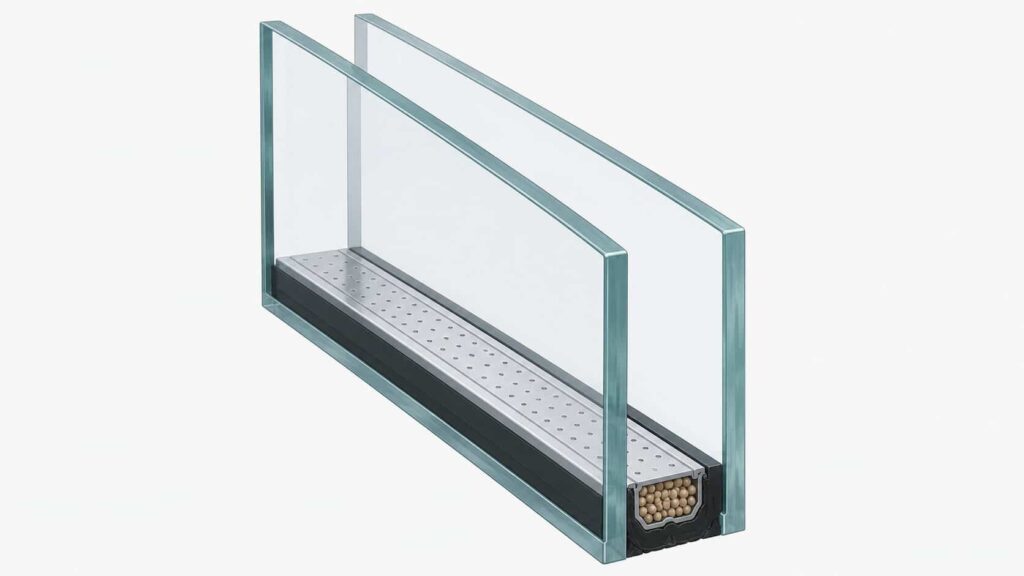
A double-pane window is built from two glass panes separated by a spacer, with the perimeter sealed to keep outside moisture out. When that seal deteriorates or gets damaged, humid air slips into the gap between the panes. As temperatures rise and fall, the trapped moisture condenses on the inner glass surfaces — producing fog, haze, water droplets, or mineral streaks that stay put no matter how many times you clean the window.
How Double-Pane Windows Work
A double-pane window (sometimes called an insulated glass unit, or IGU) is designed around a simple idea: trap a layer of air — or an insulating gas like argon — between two panes of glass to slow heat transfer. A spacer bar sits between the panes and holds them at a fixed distance, and a sealant runs around the entire perimeter to keep that air space airtight.
Many units also include a Low-E coating, a thin layer that helps reflect heat while still letting light through. All of this sits inside a sash, which is held by the window frame. When everything is working as intended, this combination:
- Reduces heat transfer between indoors and outdoors
- Improves year-round indoor comfort
- Helps reduce exterior noise
- Supports better energy-efficient window performance
The entire system depends on that perimeter seal staying intact. Once it fails, the sealed glass unit can no longer keep humid air out, and fogging is usually the first visible sign.
The Main Reasons Double-Pane Windows Become Foggy
Seal failure doesn’t happen the same way for every window. Some units fail gradually over many years; others fail early because of installation issues or harsh exposure. Here are the most common contributing factors.
Failed or Deteriorated Window Seals
This is the most common cause of condensation between window panes. Over time, the sealant around the edge of the insulated glass unit naturally breaks down. Once that airtight barrier is compromised, moisture works its way in, and the glass develops a foggy or cloudy appearance that won’t clean off from either side.
Repeated Temperature Changes
Glass, spacers, and sealant all expand and contract as temperatures shift. Hot, humid Virginia summers followed by cold winters — combined with daily heating and cooling cycles — put ongoing stress on these materials. Over years of expansion and contraction, that stress can weaken the seal.
Direct Sun and Heat Exposure
South-facing and west-facing windows tend to absorb more direct afternoon sunlight than other exposures. That daily thermal cycling heats the glass and surrounding materials repeatedly, adding extra stress that can speed up seal deterioration over time.
Water and Moisture Around the Window
Ongoing moisture near the window opening can also play a role. Damaged exterior caulking, blocked or clogged weep holes, poor drainage, or water intrusion around the frame can all keep the glazing system damp for longer than it should be. It’s worth noting that exterior caulking failure and insulated glass seal failure are related but not always the same problem — a technician can help identify which one you’re dealing with.
Installation or Manufacturing Problems
Some insulated glass units fail earlier than expected because of how they were made or installed. Possible contributors include incorrect glass measurements, improper setting blocks, excessive pressure on the unit, damage during handling or transport, poor sash support, or a defective perimeter seal from the factory. It’s not always possible to pinpoint the exact cause without an inspection, so it’s best to avoid assuming a previous contractor is at fault without evidence.
Age of the Insulated Glass Unit
Even a well-made, properly installed insulated glass unit will eventually reach the end of its useful life. How long that takes depends on product quality, installation quality, sun exposure, moisture exposure, window orientation, frame condition, local climate, and ongoing maintenance. There’s no single lifespan that applies to every window.
Is the Condensation Between the Panes or on the Surface?
Not every foggy-looking window has a failed seal. It helps to know the difference between condensation on the glass surface and moisture trapped inside the sealed unit.
Condensation on the Inside Surface
Moisture on the room-facing side of the glass is often related to indoor humidity — from cooking, showering, indoor plants, humidifiers, or simply poor ventilation, especially against colder outdoor temperatures. This type of condensation can normally be wiped away from the accessible surface.
Condensation on the Outside Surface
Fog can also form on the exterior surface when warm, humid outdoor air meets cooler glass. This is a normal weather-related occurrence and doesn’t necessarily point to a failed window seal.
Moisture Trapped Between the Panes
Seal failure becomes the likely explanation when:
- The moisture cannot be wiped away from either accessible surface
- Fog appears to be sitting inside the sealed unit itself
- The glass looks consistently cloudy or milky
- Water droplets show up between the panes
- Streaks or mineral deposits remain even after cleaning
- The fogging changes with temperature or sunlight throughout the day
If you’re asking, “why can’t I wipe the fog off my window?” or “how do I know if my double-pane window seal has failed?” — these are the signs to look for.
Common Signs of a Failed Double-Pane Window Seal
Keep an eye out for:
- Persistent haze that doesn’t clear with cleaning
- Cloudy or milky-looking glass
- Visible condensation between the panes
- Water droplets inside the insulated glass unit
- White or gray mineral staining
- Distorted reflections
- Noticeably reduced visibility through the glass
- Drafts near the window
- Temperature differences you can feel near the glass
- Several windows in the same home or building developing similar issues at once
Fogging is usually the most visible symptom, but a professional inspection is the best way to confirm exactly what’s going on.
Can Foggy Double-Pane Windows Be Repaired?
In most cases, yes. Repairing a foggy double-pane window typically means replacing the failed insulated glass unit rather than attempting to restore the original, damaged seal — which usually can’t be resealed in a way that lasts.
The general process involves:
- Removing the failed insulated glass unit
- Measuring the existing window opening
- Ordering a new sealed glass unit
- Matching glass thickness, Low-E coating, tint, and any decorative grid pattern
- Identifying any tempered or safety glass requirements
- Installing the new unit into the existing sash or frame, when that frame is in suitable condition
If you’re dealing with this in your own home or building, our foggy window repair in Northern Virginia page walks through what to expect from start to finish.
Do You Need to Replace the Glass or the Entire Window?
This is one of the most common questions we hear, and the answer depends on the condition of the frame and sash — not just the glass.
When Glass-Only Replacement May Be Suitable
Replacing just the failed glass unit is often possible when:
- The frame is structurally sound
- The sash opens, closes, and operates correctly
- The hardware still functions properly
- There’s no major wood rot
- There’s no serious warping
- The glazing pocket is in reasonable condition
- The primary issue is limited to the failed insulated glass unit
When Full-Window Replacement May Be Necessary
A full window replacement may be worth considering when there’s significant frame damage, rotten wood, severe water intrusion, a badly warped sash, failed or unavailable hardware, structural movement, or multiple window-system problems beyond just the glass. We’ll be upfront with you about which category your window falls into after an inspection or photo review.
| Situation | Recommended Approach |
| Fog between panes, frame and sash in good condition | Glass-only (IGU) replacement |
| Fog between panes, plus rotted or warped frame | Full window replacement likely needed |
| Cracked, loose, or shattered glass | Repair or emergency board-up, depending on severity |
| Surface condensation only (wipes away) | Likely a ventilation/humidity issue, not seal failure |
Does Window Defogging Permanently Fix Seal Failure?
You may come across cosmetic window-defogging services that drill small openings into the glass to remove trapped moisture. This can temporarily improve the appearance of the window, but it’s worth understanding the limits:
- The original factory-sealed insulated unit is not restored
- Any original insulating gas fill is not restored
- Mineral staining may remain visible
- The glass can become cloudy again over time
Replacing the failed insulated glass unit is generally the more complete solution when you want a lasting result, rather than a temporary cosmetic fix.
What Happens If a Foggy Window Is Not Repaired?
A foggy window isn’t always an emergency, but leaving it unaddressed can lead to:
- Increasing cloudiness over time
- Permanent mineral staining
- Reduced visibility through the glass
- Reduced insulating performance
- Less consistent indoor comfort
- Possible drafts
- Continued seal deterioration
- Reduced curb appeal and property presentation
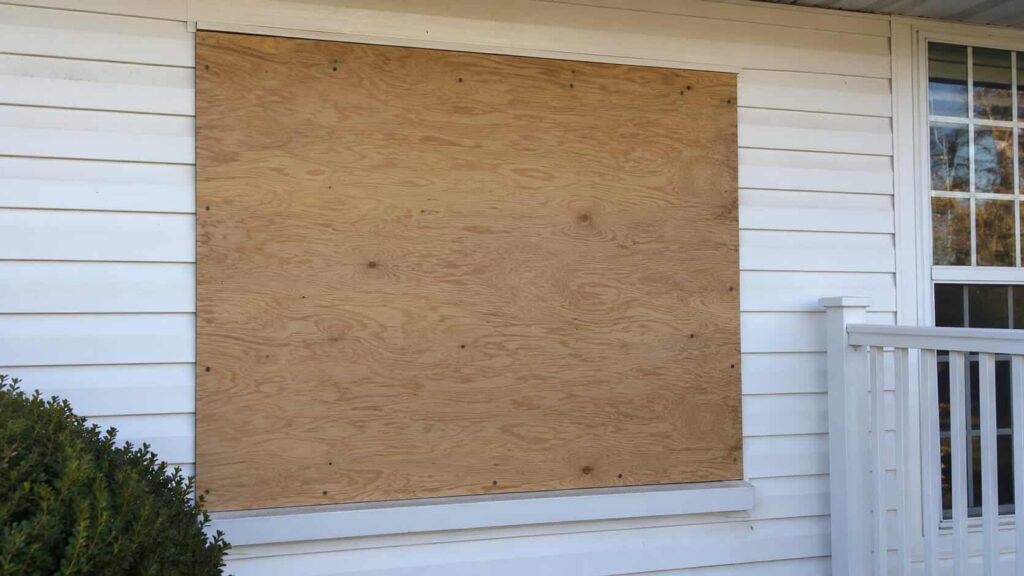
Urgent attention is a different story when the glass itself is cracked, loose, unstable, allowing water into the property, creating a security concern, or presenting an injury hazard. In those situations — residential or commercial — please avoid handling broken glass yourself, and call a professional. Priority Window Glass Repair LLC also provides emergency glass repair and emergency board-up availability, 24/7, for both homes and businesses across our service area, in addition to routine foggy window and insulated glass replacement work.
Get Emergency Glass Repair Help
How Foggy Insulated Glass Is Replaced
Inspection and Photo Review
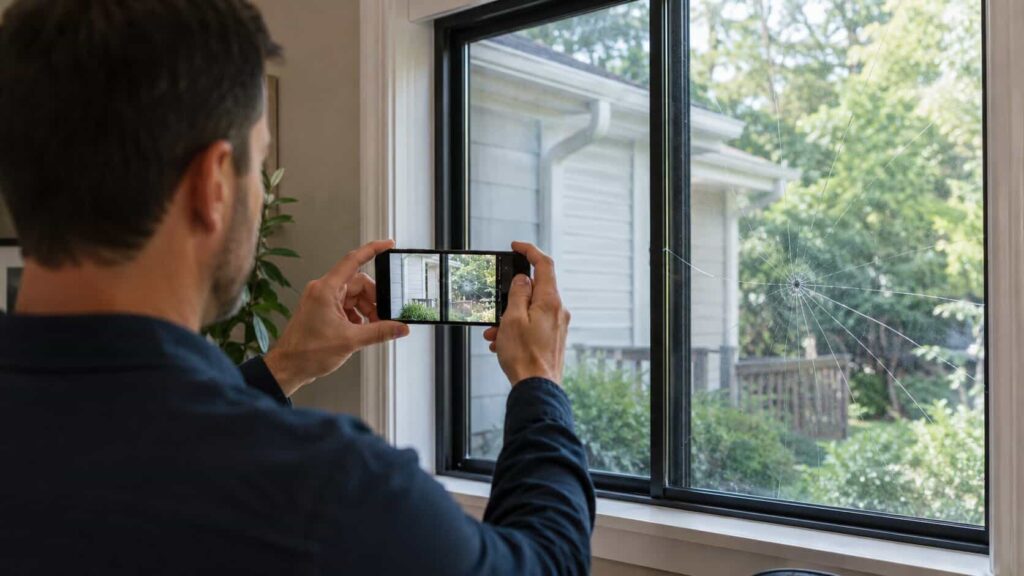
Clear photos help us get a head start on your estimate. Useful photos include the full window, the foggy area itself, the frame and sash, any grid pattern, visible glass labels or tempered-glass markings, and any cracks or additional damage — inside and outside. You can request a free photo-based estimate any time.
Measurement and Glass Identification
Accurate replacement depends on confirming width, height, overall glass thickness, individual pane thickness, spacer thickness, Low-E coating, tint, decorative grid pattern, tempered glass, and any other safety-glass or specialty-glass requirements.
Custom IGU Ordering
Insulated glass units are typically manufactured to fit a specific opening, so the replacement unit is usually ordered after measurements and specifications are confirmed. Same-day final installation isn’t realistic for custom glass, since manufacturing takes time.
Removal and Installation
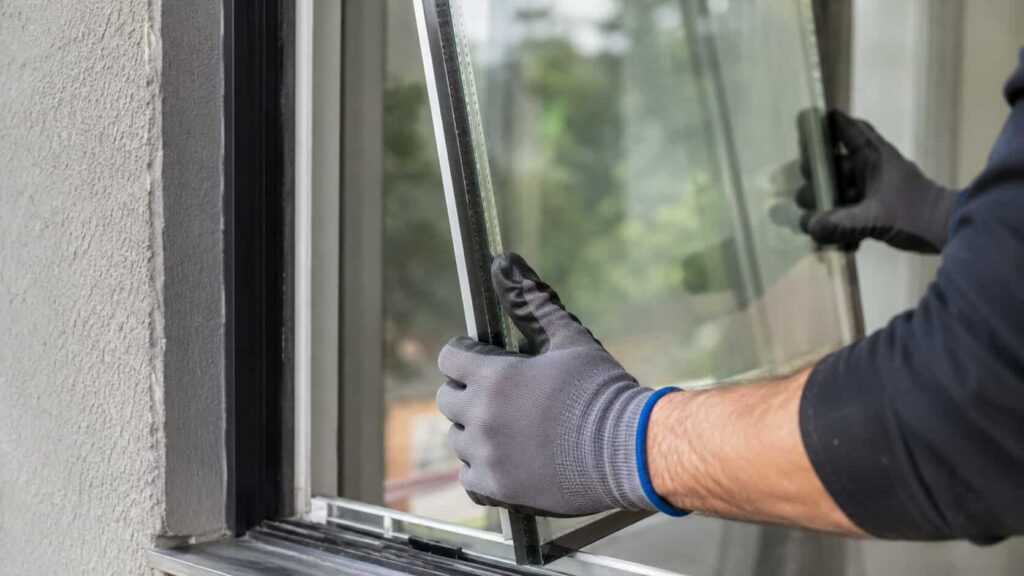
On installation day, the crew protects the surrounding work area, safely removes the failed insulated glass unit, inspects and prepares the sash or glazing pocket, positions the replacement unit, uses suitable setting blocks and glazing materials, seals the new unit in place, cleans the glass and work area, and checks that the window operates properly.
How Long Does Foggy Window Glass Replacement Take?
The process generally moves through these stages:
- Initial phone or photo review
- Estimate
- On-site measurement, if needed
- Custom glass manufacturing
- Scheduling the installation
- Final installation
Timing depends on factors like glass size, thickness, Low-E coating, decorative grids, tempered glass, specialty shapes, supplier availability, how many units have failed, and how accessible the window is. Because of these variables, we don’t guarantee a fixed turnaround time — but same-day availability may apply in some situations, and we’ll let you know what to expect once we’ve reviewed your project.
What Affects the Cost of Foggy Window Replacement?
Pricing varies based on several project-specific factors rather than a flat rate:
| Cost Factor | Why It Matters |
| Window dimensions | Larger glass costs more to manufacture and install |
| Glass thickness / double-pane construction | Thicker or specialty glass affects material cost |
| Low-E coating / argon fill | Adds to manufacturing cost |
| Tint, tempered, or safety glass | Required in certain locations, affects pricing |
| Decorative grids or specialty shapes | Custom fabrication takes more time |
| Number of failed units | Multiple windows affect total project cost |
| Access and removal difficulty | Upper-story or hard-to-reach windows may cost more |
| Frame and sash condition | Additional repair work adds to the scope |
If you’re asking how much foggy window repair costs, or whether replacing an IGU is cheaper than replacing the whole window, the honest answer is: it depends on your specific windows. The most reliable way to get a real number is a free estimate based on your photos and project details.
How to Reduce the Risk of Future Seal Failure
A few maintenance habits can help reduce avoidable stress on your window seals, even though they can’t prevent every insulated glass unit from eventually failing:
- Keep drainage paths and weep holes clear
- Repair damaged exterior caulking promptly
- Address water intrusion around windows early
- Avoid directing pressure washers directly at window seals
- Maintain reasonable indoor humidity levels
- Avoid unnecessary impact against the sash or glass
- Inspect deteriorating frames before problems spread
- Repair loose exterior trim
- Check compatibility before adding aftermarket window film
Foggy Window Repair Across Northern Virginia
Priority Window Glass Repair LLC is based in Aldie and provides residential and commercial foggy window glass replacement throughout Northern Virginia. That includes insulated glass unit replacement and, where the sash and frame are suitable, glass-only replacement instead of a full window swap. We offer free estimates, including photo-based estimates, so you can get a clear picture of your options without an in-person visit up front.
Browse our full window glass repair service areas to see if we cover your location, or check our dedicated pages for window glass repair in Aldie, VA and window glass repair in Ashburn, VA.

Full-Service Glass Repair Coverage
Beyond foggy double-pane windows, Priority Window Glass Repair LLC handles a broad range of residential and commercial glass needs, including:
- Broken and cracked window glass repair
- Storefront and commercial door glass repair
- Sliding glass door and patio door glass replacement
- Temporary emergency board-up service
- Insulated glass unit and full window glass replacement recommendations
Whether you’re a homeowner dealing with a single foggy window or a property manager coordinating repairs across several units, we can help you sort out what’s needed and what it will involve.
Frequently Asked Questions
The insulated glass seal has likely failed, allowing humid air and moisture to enter the sealed space between the panes.
No. A failed insulated glass seal normally does not repair or reseal itself over time.
Cosmetic moisture-removal methods can temporarily improve appearance, but they’re different from replacing the failed insulated glass unit, which addresses the underlying seal failure.
Often, yes. Glass-only replacement is commonly possible when the sash, frame, and hardware are still in usable condition.
Fogging alone is not typically an immediate danger. Cracked, loose, unstable, or leaking glass is a different situation and deserves prompt attention.
Seal failure can reduce the insulating performance of the glass unit, which may affect indoor comfort and consistency.
If the moisture can’t be wiped away from either the interior or exterior surface, it’s likely trapped between the panes rather than sitting on the surface.
Coverage depends on your specific policy, the cause of the damage, and any applicable exclusions. It’s best to contact your insurer directly for guidance on your situation.
Lifespan varies based on product quality, installation, sun and moisture exposure, climate, frame condition, and maintenance — there’s no single number that applies to every window.
Yes. Homeowners, landlords, property managers, and contractors can submit photos and details for several windows or properties in a single estimate request.
Request a Free Foggy Window Glass Estimate
Moisture trapped between the panes usually means the insulated glass seal has failed. Priority Window Glass Repair LLC can evaluate whether the failed insulated glass unit can be replaced while preserving your existing sash or frame. Send clear photos of the full window, the foggy area, the frame, and any visible glass markings to request a free estimate, or call (571) 228-2435.
